 Pin This
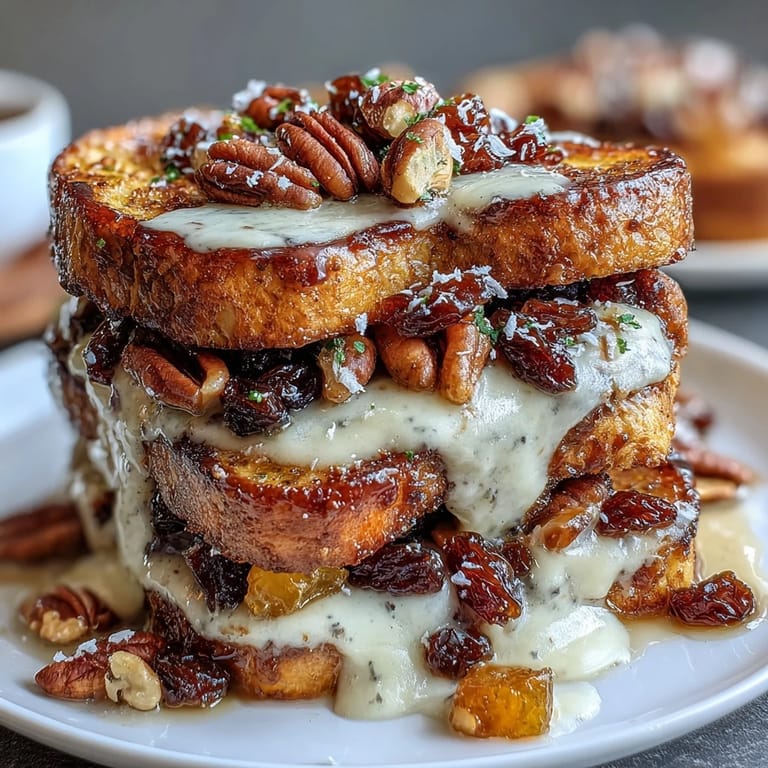
 The smell of piloncillo syrup simmering fills my kitchen with a warmth that always catches me by surprise. Capirotada Mexicana is one dish that found its way into my heart through its inviting aromas long before I even tasted it. I remember hearing the gentle crackle of toasted bread and feeling that hint of anticipation as I layered each ingredient. This bread pudding isn’t just a holiday treat—it brings a little celebration every time I make it. There’s something quietly triumphant about seeing its golden crust emerge from the oven, fragrant and bubbling.
One chilly afternoon, my cousin wandered into the kitchen just as I was arranging the bread slices, curious about the process. We laughed over how much syrup we managed to spill and agreed that 'messy capirotada' tasted best because it was shared. The atmosphere felt loose and cheerful, with everyone peeking into the oven, eager to see how the top layer would crisp. It’s always more fun with an audience, even if the only spectators are a couple of hungry family members. There’s never any leftover capirotada when they’re around.
Ingredients
- Bread: Using slightly stale bolillo or French bread is key, since it absorbs the syrup beautifully without turning mushy.
- Piloncillo: This unrefined sugar gives the syrup a deep, caramel flavor—substitute with dark brown sugar if you can’t find it, but nothing quite matches piloncillo’s earthiness.
- Cinnamon stick and whole cloves: Add warmth and complexity to the syrup, and straining them out at the end keeps the texture smooth.
- Nuts & Dried Fruit: Pecans, peanuts, raisins, and apricots or prunes add crunch and bursts of sweetness; chop nuts for even layering.
- Cheese: Mexican queso fresco or Monterey Jack gives a mild, creamy finish—go easy if you prefer a lighter bite.
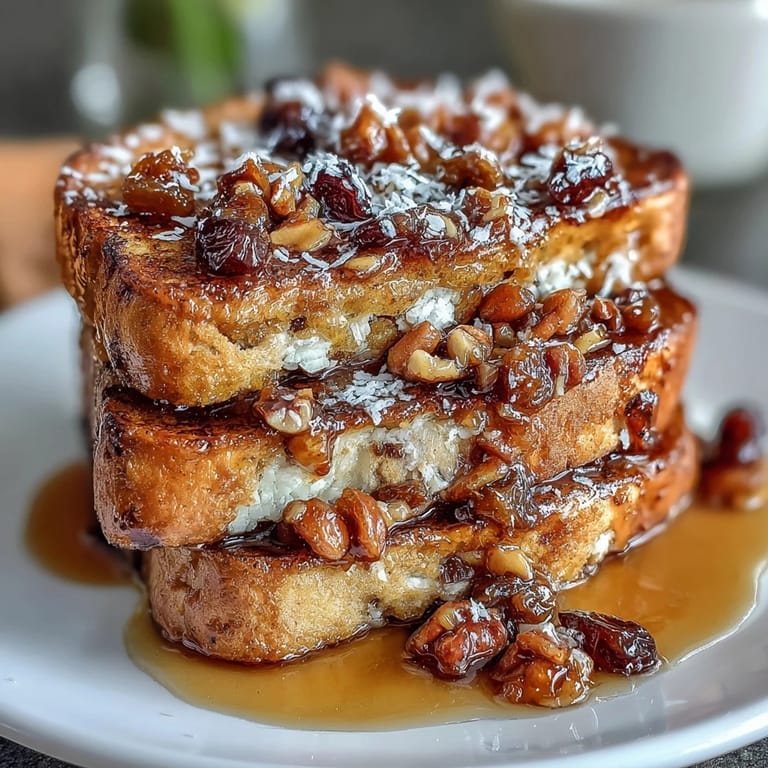
- Coconut flakes: The optional sprinkle adds a tropical hint and crisp texture on top.
- Butter: Melted, it helps brown the top and ties everything together in the oven.
Tired of Takeout? 🥡
Get 10 meals you can make faster than delivery arrives. Seriously.
One email. No spam. Unsubscribe anytime.
Instructions
- Getting Ready:
- Preheat your oven to 180°C (350°F) and butter a 9x13-inch baking dish until every corner gleams. Set out your ingredients so you can grab them easily as you layer.
- Toasting the Bread:
- Arrange the sliced bread on a baking sheet and toast for 10–12 minutes, flipping halfway—listen for the gentle crunch as each piece dries out and turns golden.
- Making the Syrup:
- Combine water, piloncillo, cinnamon stick, and cloves in a saucepan and bring to a boil; simmer until the kitchen smells sweet and the syrup thickens, then strain.
- Layering the Magic:
- Spread a third of the bread in your dish, sprinkle some nuts, cheese, raisins, and fruits, then repeat for two more layers—don’t worry about being perfect, just enjoy it.
- Pouring the Syrup:
- Slowly drape the warm syrup over the whole arrangement; watch as the bread soaks it up and little pockets of flavor form.
- Topping and Baking:
- Drizzle the melted butter and coconut flakes if you like, cover with foil, and bake for 25 minutes, then remove foil and bake until the top is golden and bubbling.
- Cooling and Serving:
- Let the capirotada rest for at least 15 minutes so the flavors settle before serving warm or at room temperature.
 Pin This
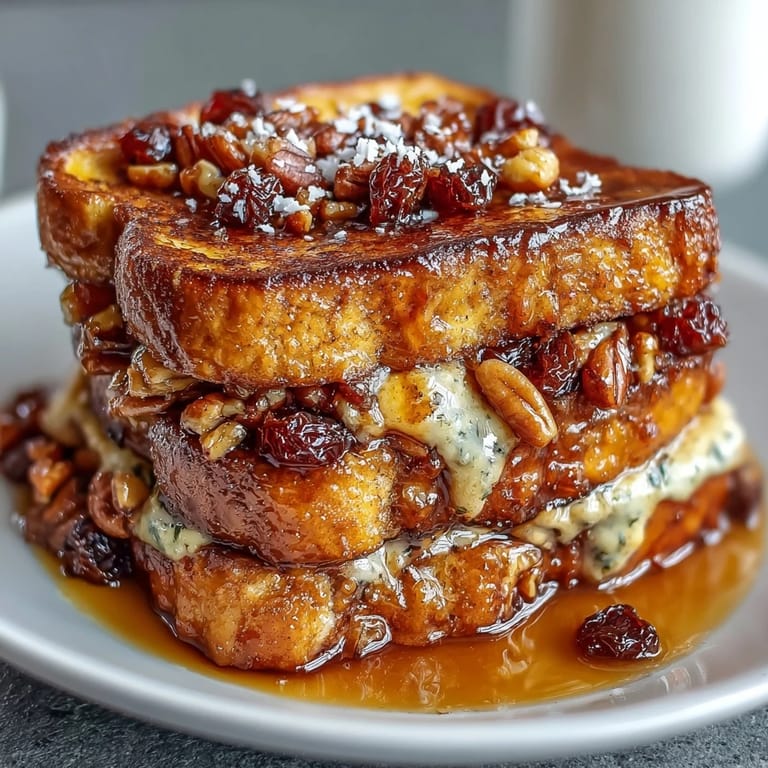
 The first time I brought capirotada to my book club, everyone paused mid-conversation at the first forkful—not for its sweetness, but for its rich, spiced aroma. Even the friend who swore she didn’t like bread pudding asked for seconds, and I caught her scribbling the recipe on the back of her napkin. Sometimes, sharing food creates connection that books alone can’t.
Why Capirotada Feels Like a Ritual
Assembling capirotada is a bit like making lasagna—each layer feels deliberate, and a splash of syrup or handful of nuts becomes a tiny act of care. I found that talking through the steps with someone nearby made the process slower, but richer and more memorable. Often, the discussion drifts to memories of Lent, communal meals, or even just the way cinnamon always signals something special is baking. The anticipation builds with each aroma, turning the ordinary into the extraordinary. There’s satisfaction in tracing the steps, knowing you’re part of a tradition.
Playing With Flavors and Textures
Don’t hesitate to substitute or add fruits like bananas or apples to the layers—they bring extra brightness and softness. If you want a lighter dessert, try using a lactose-free cheese or reducing the amount. Pecans and peanuts balance the sweetness, while coconut and butter form a golden crust that’s impossible to resist. Every tweak adds personality, so go with what’s in your pantry. The best capirotada celebrates your kitchen’s quirks.
Serving and Storing Your Capirotada
Capirotada is just as comforting as breakfast the next morning, chilled and served with coffee or Mexican hot chocolate. It’s easy to reheat in the oven or microwave, and the flavors deepen overnight—it never lasts long at my house.
- If you make extra syrup, keep it in the fridge for another dessert.
- Cover leftovers tightly to keep them moist and fresh.
- Try a scoop of vanilla ice cream if you’re feeling indulgent.
 Pin This
 Capirotada is a dish that invites sharing and experimenting—as soon as the aroma fills the room, everyone wants a piece. Each batch is a small adventure worth savoring, warm or cool.
Recipe Questions & Answers
- → What makes capirotada distinctive?
Its layers of toasted bread, piloncillo syrup, dried fruits, nuts, and cheese deliver a unique blend of sweet, aromatic tones.
- → Can I use different cheeses?
Mild cheeses like queso fresco, Monterey Jack, or mozzarella work well, and lactose-free options are suitable substitutes.
- → How do I achieve the best texture?
Use slightly stale bread and toast it before layering. Properly moisten each layer with syrup to prevent dryness.
- → Are there fruit variations?
Bananas, apples, apricots, or prunes add a fresh twist and extra fruitiness to traditional preparations.
- → What dietary considerations should I note?
This dessert contains dairy, tree nuts, peanuts, and gluten from bread; check labels for allergens if needed.
- → How is it traditionally served?
Serve capirotada warm or at room temperature, often accompanied by coffee or Mexican hot chocolate.