 Pin This
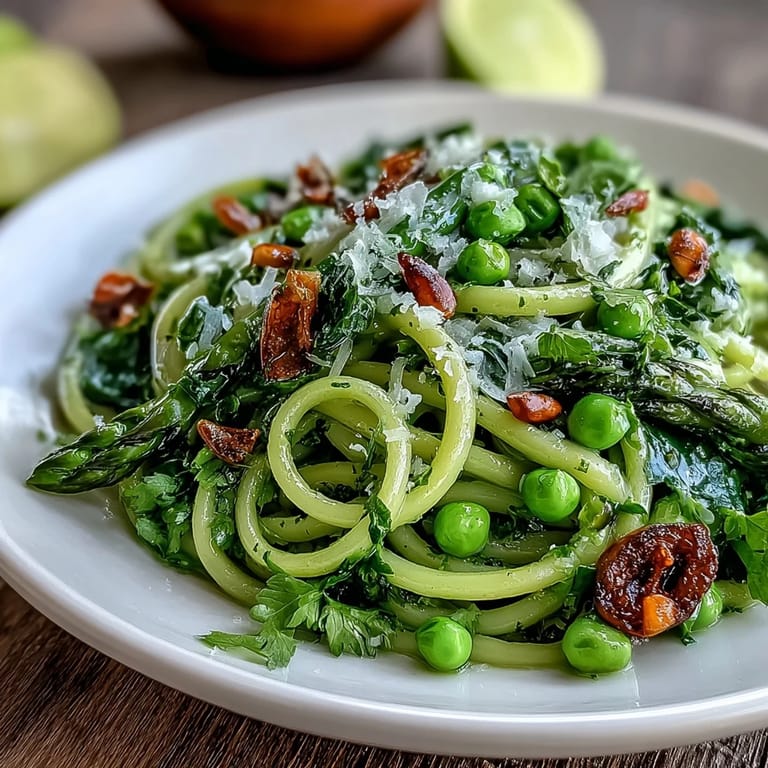
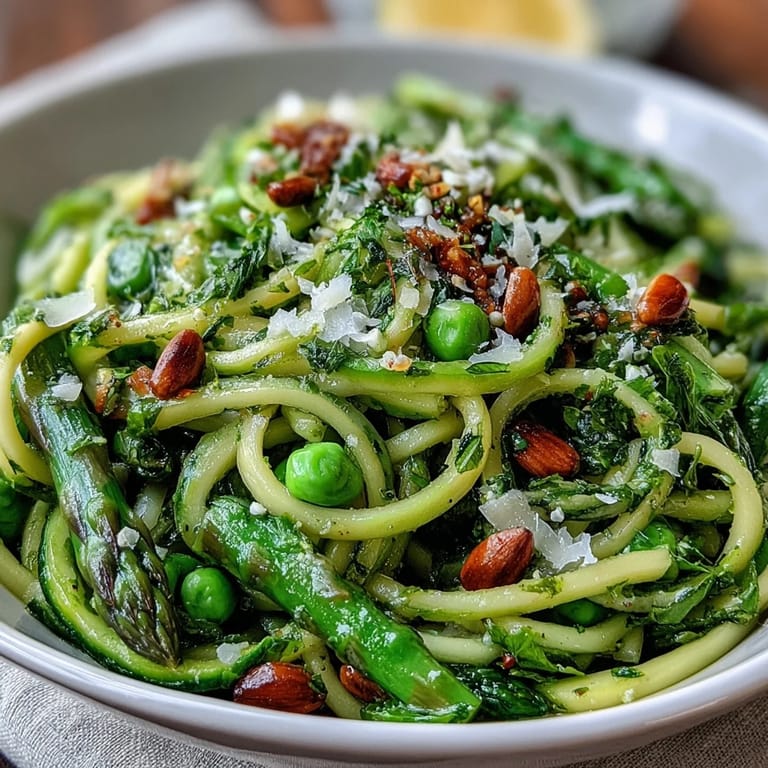
 There's something about spring that makes me want to shave vegetables instead of chop them. One afternoon, while reorganizing my kitchen drawer, I found a vegetable peeler I'd forgotten about, and something clicked—why not use it on asparagus? That single moment led to this salad, which has become my go-to when the weather shifts and I crave something bright but substantial enough to actually feel like lunch.
I made this for a potluck last April when everyone was exhausted from winter, and watching people's faces light up when they tasted it reminded me why fresh, simple food matters so much. One guest asked for the recipe three times before leaving, each time sounding more determined. That's when I knew it wasn't just good—it was the kind of dish people actually want to make themselves.
Ingredients
- Fresh asparagus (1 bunch, about 300 g): Look for thin to medium stalks with tight tips; thicker ones become woody even after trimming, and you want the peeler to glide smoothly across them.
- Fresh or frozen green peas (1 cup, 150 g): Frozen actually work beautifully here because they're picked at peak ripeness, and the slight cold keeps the salad crisp when tossed.
- Baby arugula or mixed spring greens (2 cups, 50 g): These delicate leaves let the asparagus shine rather than competing with it, and they wilt slightly when the warm lemon dressing touches them, which is exactly what you want.
- Radishes, thinly sliced (2): The peppery bite keeps everything from feeling too mild, plus they add a gorgeous pop of color and that satisfying crisp texture.
- Shaved Parmesan or pecorino (1/4 cup, 30 g): Use a vegetable peeler for the cheese too—those thin shards melt into the dressing rather than sitting heavy on top.
- Toasted pine nuts or slivered almonds (1/4 cup, 30 g): Toasting them yourself makes an enormous difference; they smell incredible and develop a nuttiness that ties the whole salad together.
- Extra-virgin olive oil (3 tbsp): This is one of those moments where quality actually matters, since the oil isn't being cooked—it carries the whole flavor profile.
- Fresh lemon juice (2 tbsp) and lemon zest (1 tsp): Squeeze the lemon just before mixing; bottled juice tastes flat in comparison, and the zest adds brightness the juice alone can't achieve.
- Honey or maple syrup (1 tsp): Just enough to round out the acidity and let the other flavors breathe, not enough to make it sweet.
- Dijon mustard (1 tsp): This acts as an emulsifier, helping the oil and lemon juice hold together instead of separating.
- Sea salt and black pepper (1/2 tsp salt, 1/4 tsp pepper): Season to taste after tossing; you might find you need a pinch more depending on how much water the peas release.
Tired of Takeout? 🥡
Get 10 meals you can make faster than delivery arrives. Seriously.
One email. No spam. Unsubscribe anytime.
Instructions
- Shave the asparagus into ribbons:
- Hold each stalk steady and run the peeler along the length, rotating slightly as you go, until you reach the tender center you can't peel anymore. It feels almost meditative once you find the rhythm, and the asparagus will be silky rather than crunchy, which makes all the difference in this salad.
- Gather everything in the bowl:
- Toss the shaved asparagus with the peas, greens, and radishes so they're mingling before the dressing arrives. The slight moisture on the greens helps distribute everything evenly.
- Build the dressing:
- Whisk the olive oil, lemon juice, zest, honey, mustard, salt, and pepper together until it looks creamy and emulsified. Taste it straight from the whisk—it should be bold enough to make you pucker slightly, because the vegetables will mellow it out.
- Dress and toss gently:
- Drizzle the dressing over the salad and toss with your hands or two spoons, being careful not to crush the delicate greens. You're looking for everything to glisten and come together, not a heavy coating.
- Add the cheese and nuts:
- Scatter the Parmesan shards and toasted nuts over the top right before serving, or toss them in at the last second so they stay crisp. Some people like to keep them separate until the plate lands in front of them, which is also perfectly fine.
- Serve immediately:
- This salad is best eaten within a few minutes of assembly, while the asparagus ribbons still have their delicate texture and the greens haven't begun to soften too much. Spring salads are meant to be quick moments of freshness.
 Pin This
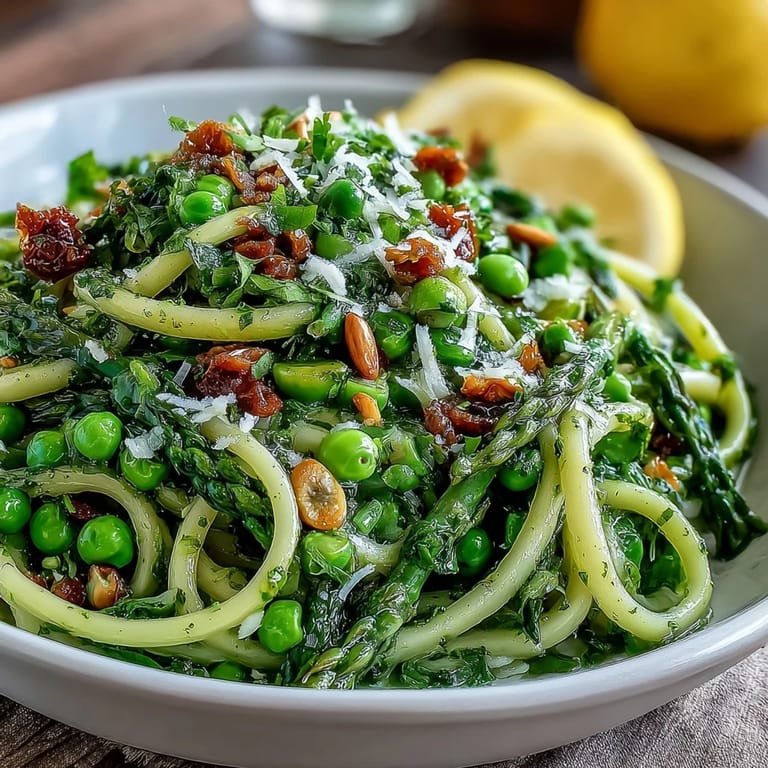
 A friend once told me this salad tasted like spring tastes, and I've never forgotten that. It's food that reminds you what season you're in, which sounds simple but means everything when you're tired of heavy meals.
Why This Works as a Side
The lemon dressing cuts through rich proteins without making you feel like you're being virtuous about eating vegetables. Serve it alongside grilled fish or roasted chicken, and it becomes the part people actually remember, not just the thing that rounded out the plate. The brightness makes whatever you pair it with taste better, which is the real mark of a good side dish.
Making It Your Own
This salad is forgiving in ways that matter. You can swap the peas for sugar snap peas if that's what's at the market, or use blanched fava beans if you're feeling fancy. A handful of fresh mint or basil scattered over the top shifts the whole mood—mint makes it feel Mediterranean, basil leans Italian. Even the cheese is flexible; pecorino is slightly sharper if you want more assertiveness, while shaved Gruyere leans creamy.
Storing and Planning Ahead
You can peel and shave the asparagus a few hours in advance and keep it in a container of cold water in the fridge, which keeps it perky and prevents any browning. The dressing keeps for three days in a jar, and shaking it before using brings it back to emulsified. The only part that truly needs last-minute attention is tossing everything together, which takes maybe a minute once you've gathered your components.
- For vegan versions, skip the Parmesan or use a plant-based alternative that doesn't overpower the delicate flavors.
- Always taste the dressing before it touches the salad; lemons vary wildly in juice content, and you might need to adjust slightly.
- If you're serving this to people with nut allergies, toasted seeds like sunflower or pumpkin work beautifully in place of pine nuts.
 Pin This
 This salad has taught me that the most satisfying food doesn't need to be complicated—it just needs attention to detail and ingredients at their peak. Every time I make it, I remember why I love cooking in spring.
Recipe Questions & Answers
- → How do you shave asparagus for the salad?
Use a vegetable peeler to create thin, ribbon-like strips from the asparagus stalks, removing any tough, woody ends first.
- → Can frozen peas be used in this dish?
Yes, thawed frozen peas work well and provide the same sweet flavor as fresh peas in the salad.
- → What are good alternatives to pine nuts in this salad?
Toasted slivered almonds or other toasted nuts like walnuts can be used for a similar crunch and flavor.
- → How should the lemon dressing be prepared?
Whisk together extra-virgin olive oil, freshly squeezed lemon juice, lemon zest, honey, Dijon mustard, salt, and pepper until well emulsified.
- → Is this salad best served immediately or can it be stored?
For optimal freshness and texture, it’s best to serve the salad immediately after tossing with the dressing and toppings.