 Pin This
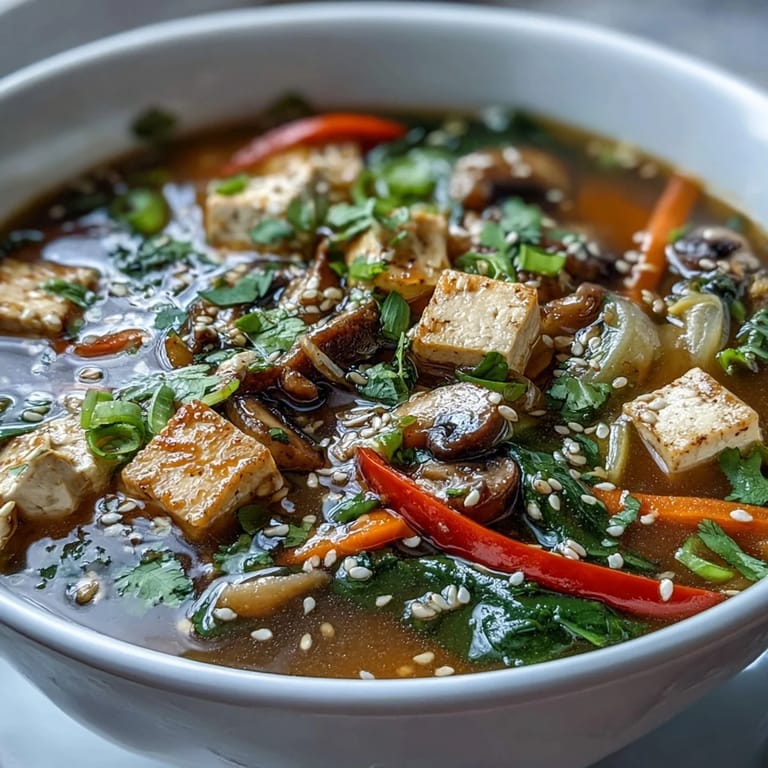
 There's something almost meditative about watching silken tofu clouds float through a steaming bowl of broth, and I discovered this soup entirely by accident one Tuesday evening when I had nothing but vegetables and a block of tofu staring at me from the fridge. My neighbor had just given me fresh ginger from her garden, still wearing bits of soil, and I knew immediately what needed to happen. Twenty minutes later, I was sipping something so clean and nourishing that I couldn't believe how simple it was. That first spoonful taught me that the best meals don't require complexity, just intention and a few quality ingredients.
I made this soup for my roommate after she mentioned offhandedly that she was tired of feeling bloated by heavy dinners, and watching her face soften after the first spoonful was one of those quiet cooking victories that stays with you. She started ordering takeout less, and eventually I caught her making a batch on her own, which meant everything to me. That's when I knew this recipe had transcended being just something I made and became something worth passing along.
Ingredients
- Low-sodium vegetable broth: Use 1.5 liters as your foundation; this is where all the flavor lives, so choose one you'd actually drink on its own.
- Soy sauce: Two tablespoons gives you that savory backbone, but reach for tamari if gluten is a concern and you won't notice a single difference.
- Fresh ginger: Thinly slice one tablespoon's worth; raw ginger root carries this bright, slightly spicy warmth that no powder can replicate.
- Garlic: Two minced cloves become mellow and sweet as they toast in sesame oil, releasing their perfume before the broth even arrives.
- Sesame oil: One teaspoon is all you need; this nutty, toasted oil does the heavy lifting in terms of flavor and aroma.
- Carrot: One medium carrot, julienned, brings sweetness and a gentle crunch if you catch it at exactly the right moment.
- Shiitake mushrooms: One hundred grams, sliced thin, add an earthy depth and a meaty texture that surprises people expecting nothing from mushrooms.
- Baby bok choy: One hundred grams chopped means you get tender leafy greens plus crisp stalks in the same vegetable, which is efficient and delicious.
- Red bell pepper: One small one, thinly sliced, keeps things bright and adds color that makes the bowl look alive.
- Spring onions: Two of them, sliced, go in near the end so they keep their sharp, oniony character instead of melting away.
- Silken tofu: Three hundred grams cubed becomes the soul of this soup; handle it like something precious because it is.
- Cilantro, sesame seeds, and lime: All optional garnishes, but they turn something simple into something that feels intentional and complete.
Tired of Takeout? 🥡
Get 10 meals you can make faster than delivery arrives. Seriously.
One email. No spam. Unsubscribe anytime.
Instructions
- Toast the aromatics:
- Heat sesame oil in a large pot over medium heat and add your minced garlic and sliced ginger, letting them sizzle for a minute or two until your kitchen smells like something good is about to happen. You'll know you're there when the oil gets fragrant and you can't help but lean in closer.
- Build your broth base:
- Pour in the vegetable broth and soy sauce, then bring everything to a gentle simmer rather than a rolling boil; this is about coaxing flavors together, not forcing them. The surface should barely shiver.
- Start with the sturdy vegetables:
- Add your julienned carrot, sliced shiitake mushrooms, and bell pepper strips, letting them simmer for about five minutes until they soften slightly but still hold their shape. This is the moment where you can taste and adjust your seasoning if needed.
- Add the delicate greens:
- Fold in your chopped bok choy and sliced spring onions, cooking for just two to three more minutes so they stay bright and slightly crisp rather than becoming limp. They should taste tender but still full of themselves.
- Introduce the tofu:
- This is the gentle part where you carefully distribute your tofu cubes into the simmering broth, letting them warm for about two minutes without stirring too much. Treat them like they're as fragile as they actually are.
- Taste and adjust:
- Take a spoon to the broth and really taste it, adding more soy sauce if it needs more depth, a pinch of salt if it feels flat, or a few drops more sesame oil if you want richer fragrance. Trust what your palate tells you.
- Serve with intention:
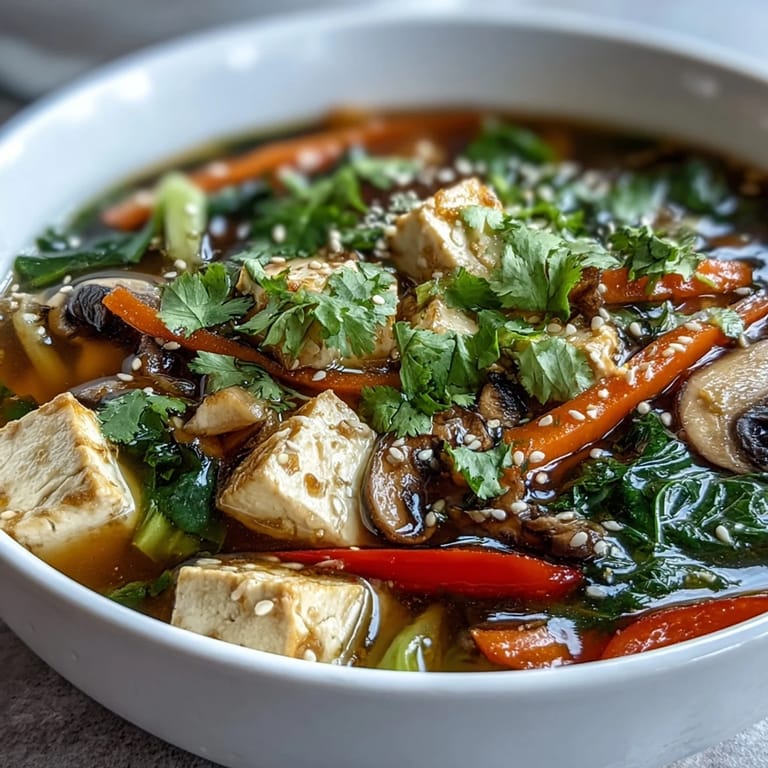
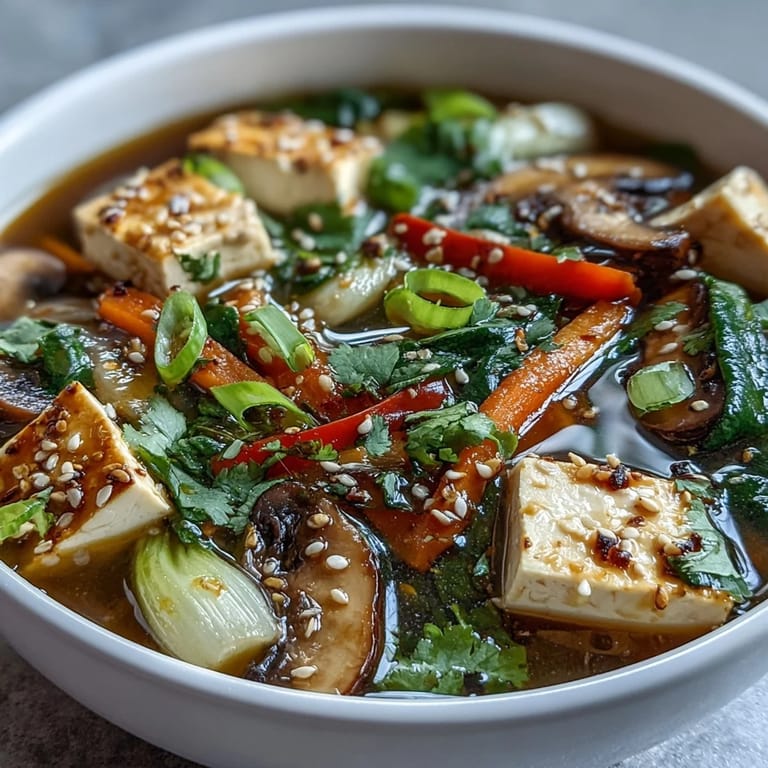
- Ladle the soup into bowls so each one gets a balanced share of broth and vegetables, then top with cilantro leaves, a scatter of toasted sesame seeds, and a lime wedge if you're using them. The lime especially changes everything when squeezed in right before you eat.
 Pin This
 One winter afternoon, a friend who was recovering from something difficult asked if I had soup, and I made this while she sat at my kitchen counter wrapped in a blanket, and she told me later it was the first meal that didn't feel like medicine in a long time. That's the real magic here—it nourishes without heaviness, comforts without pretense.
Why This Soup Works Every Time
There's a reason this soup feels both light and completely satisfying, and it comes down to letting each ingredient do exactly one job really well. The broth is the canvas, the vegetables add texture and sweetness, the tofu becomes this blank slate that takes on the flavors around it, and the sesame oil ties everything together with its warm, unmistakable presence. Nothing competes for attention; instead everything harmonizes in a way that feels almost inevitable once you taste it.
Making It Your Own
I've experimented with this soup dozens of times, swapping in whatever vegetables were calling to me from the market or my garden, and it always works because the formula is sturdy enough to handle changes but elegant enough to stay true to itself. Snow peas bring a delicate snap, napa cabbage adds a subtle sweetness, enoki mushrooms create these wispy little tangles that catch the broth beautifully, and a drizzle of chili oil at the end transforms it into something with a sharp edge if you want it. The tofu stays centered and calm through it all, which is rather like its personality.
Small Moments That Elevate Everything
The difference between a good bowl of soup and one that feels like someone made it with care for you often lives in the smallest details that cost nothing but attention. Fresh ginger sliced thin rather than grated, spring onions added so late they keep their snap, cilantro torn rather than chopped so the leaves stay whole and pretty, and lime squeezed right into your bowl so the juice mingles with the hot broth—these are the moments that transform efficiency into generosity. I've learned that cooking doesn't have to be complicated to feel intentional, and this soup proves it every single time.
- If you can find real fresh ginger root instead of pre-peeled, your soup will taste noticeably brighter and more alive.
- Taste the broth early and taste it often; seasoning as you go means you're building flavor rather than trying to fix it at the end.
- Serve this soup the moment it's ready because silken tofu stays silken exactly while the soup is hot, and everything settles into the perfect texture right then.
 Pin This
 This soup lives in my rotation not because it's flashy or impressive, but because it asks almost nothing from you while giving back comfort, nutrition, and the quiet satisfaction of knowing you cooked something real. Make it often, share it generously, and watch how something so simple becomes the meal people remember asking for.
Recipe Questions & Answers
- → Can I use firm tofu instead of silken tofu?
Yes, firm tofu works well and provides more texture. Keep in mind it won't absorb the broth as readily as silken tofu, but some prefer the substantial bite it offers.
- → How can I make this soup spicy?
Stir in chili oil or sliced fresh chilies during the final minutes of cooking. Adjust the amount to your preferred heat level—start with a small dash and taste before adding more.
- → Can I freeze this soup?
Freezing is possible but may affect the tofu texture. The vegetables can become softer after thawing. For best results, freeze without the tofu and add fresh cubes when reheating.
- → What other vegetables work in this soup?
Snow peas, napa cabbage, enoki mushrooms, spinach, or bean sprouts are excellent additions. Adjust cooking times accordingly—leafy greens need only 1-2 minutes, while denser vegetables may require longer simmering.
- → Is this soup suitable for meal prep?
Absolutely. Store in airtight containers for up to 4 days. Reheat gently over medium heat, taking care not to break up the tofu when stirring. The flavors often develop and deepen overnight.
- → Can I add noodles to make it more filling?
Cook rice noodles, ramen, or udon separately and add them to bowls before ladling the soup. This prevents the noodles from absorbing too much broth and becoming mushy.