 Pin This
 My sister texted me at 11 PM asking if I could bake a cake for her graduation party the next afternoon—she'd ordered one that fell through. Standing in my kitchen at midnight, I realized I had exactly what I needed for a sheet cake that could feed everyone and actually taste like love instead of last-minute panic. Vanilla, butter, eggs, the fundamentals that never let you down. Something about the simplicity of it made sense for a celebration about endings and beginnings.
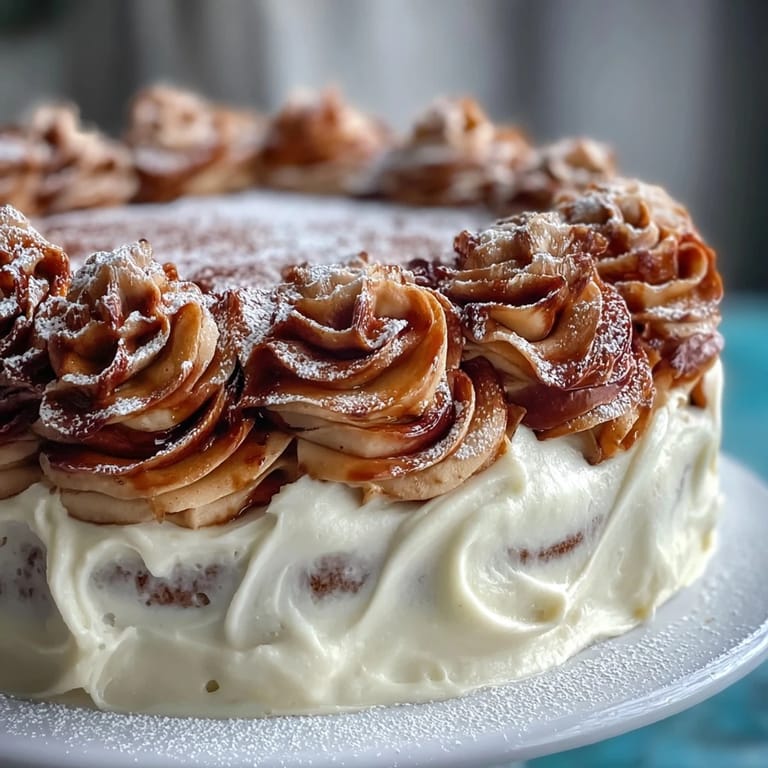
I remember frosting that cake at 2 PM with my sister hovering in the kitchen, holding up paint swatches of her school colors so we could get the food coloring just right. The buttercream was so fluffy it looked like clouds, and she kept laughing because I accidentally got a thumbprint in the frosting and had to smooth it out three times. By the time guests arrived, it didn't matter—they came for the cake and stayed for the moment.
Ingredients
- All-purpose flour (3 cups): This is where structure lives—measure by spooning and leveling, not scooping straight from the bag, or you'll end up with a dense brick instead of a tender crumb.
- Baking powder and baking soda (2½ tsp and ½ tsp): These two work together like good friends, one gives immediate lift, the other keeps it going—don't skip either or your cake will be pancake.
- Unsalted butter (1 cup for cake, 1 cup for frosting): Room temperature is non-negotiable here; cold butter won't cream properly and your batter will be lumpy and sad.
- Granulated sugar (2 cups): This feeds the cake structure and creates that tender crumb you're after—don't substitute brown sugar unless you want something completely different.
- Eggs (4 large): Also room temperature, because cold eggs refuse to incorporate smoothly and you'll see streaks of yolk in your batter.
- Vanilla extract (1 tbsp for cake, 2 tsp for frosting): Use the real stuff; imitation vanilla tastes tinny when this is your only flavoring, and people taste the difference instantly.
- Whole milk (1½ cups for cake, ¼ cup for frosting): Room temperature, to prevent shocking the butter mixture and creating a broken, curdled mess.
- Powdered sugar (4 cups, sifted): Sifting removes lumps that'll make your frosting grainy—I've learned this the hard way watching frosting get speckled like sandpaper.
- Graduation decorations: Pick something that makes you smile; sprinkles feel celebratory, but piped borders feel intentional.
Tired of Takeout? 🥡
Get 10 meals you can make faster than delivery arrives. Seriously.
One email. No spam. Unsubscribe anytime.
Instructions
- Set your stage:
- Preheat the oven to 350°F and grease that half-sheet pan thoroughly—I use butter because it reminds me I'm building something real. Line it with parchment so cleanup doesn't become the sad ending to your baking story.
- Combine your dry team:
- Whisk flour, baking powder, baking soda, and salt together in a medium bowl and set it aside; this only takes a minute but prevents lumps from hiding in your batter later.
- Cream the butter and sugar:
- Beat room-temperature butter with sugar for exactly three minutes—you'll hear the mixer sound change when it goes from grainy to light, and it'll look almost white. Stop when it's fluffy; over-beating makes it grainy again, which seems unfair but is true.
- Add eggs with intention:
- Drop in one egg, beat until it disappears completely, then add the next—rushing this step means chunks of egg white floating around instead of incorporated richness. Add vanilla last, letting it swirl into everything.
- Alternate dry and wet like a dance:
- Add half your flour mixture on low speed, then half your milk, then the remaining flour, then the remaining milk—this keeps the batter from breaking and ensures everything hydrates evenly. Scrape the bowl between additions so nothing gets left behind.
- Into the pan:
- Pour batter into your prepared pan and smooth it with a spatula—uneven thickness means some edges crisp while the center stays soft. Make it level and even, taking five extra seconds rather than regretting it later.
- Bake with patience:
- Slide it into the oven for 28 to 32 minutes; a toothpick inserted in the center should come out clean or with just a crumb or two clinging to it. If it comes out wet with batter, give it three more minutes and check again rather than overbaking and drying it out.
- Cool completely:
- Let the cake sit in the pan on a wire rack until it's completely room temperature—this takes patience but frosting warm cake turns it into frosting soup. Once cool, turn it out if you like, or frost it right in the pan for easier transport.
- Make the frosting magic:
- Beat room-temperature butter by itself for two minutes until it's pale and almost fluffy, then gradually add sifted powdered sugar while the mixer runs on low. Gradually add vanilla, milk, and salt, then turn it up to high for 2 to 3 minutes of beating until it's cloud-like and holds peaks.
- Decorate with joy:
- Spread frosting evenly over cooled cake using an offset spatula or the back of a spoon, then add sprinkles or piped decorations while it's still soft enough to grab them. Work quickly but gently; this is the visible part, the part that makes people smile the moment they see it.
- Slice and celebrate:
- Cut into squares and serve at room temperature where the vanilla flavor really sings—cold cake from the refrigerator tastes muted, almost sad.
 Pin This
 Watching my sister's friends tear into that cake at her party, I noticed something: they didn't just eat it, they paused and actually tasted it. Someone said it was the best vanilla cake they'd had in years, and that moment—when food becomes a memory people want to keep—that's when I understood why baking for celebrations matters.
Why Vanilla Wins on Big Days
Vanilla gets dismissed as plain, but it's actually the most sophisticated flavor you can choose for a celebration. It doesn't compete with the moment; it frames it. Everyone has a vanilla memory—a birthday, a wedding, their grandmother's kitchen—and when you serve good vanilla cake, you're inviting them to feel all of that again. That's why graduation cakes are usually vanilla; it's not because of laziness, it's because vanilla is humble enough to let the celebration shine.
The Sheet Pan Strategy
Sheet cakes are the secret weapon for feeding crowds without fuss. One pan, one recipe, and you get 24 servings that are all equally thick and evenly baked. The beauty is that you can frost it in the pan if you're transporting it, or pull it out and decorate it however the occasion demands—it's the most flexible canvas you can bake.
Small Tweaks That Change Everything
The base recipe is forgiving, but small additions can make it feel more special. A half-teaspoon of almond extract adds something floral and interesting without being obvious. A tablespoon of sour cream or Greek yogurt in the buttercream makes it less sweet and more complex. Some bakers add a pinch of cardamom to the batter if they want something whisper-subtle and sophisticated.
- Brush the cooled cake with a simple syrup made from equal parts sugar and water before frosting to keep it moist for days.
- Add a teaspoon of lemon zest to the batter if you want brightness without changing the vanilla flavor story.
- Use extra-clear vanilla extract if you want the frosting to stay pure white instead of turning cream-colored.
 Pin This
 This cake has fed celebrations in my life for years now, and every time someone asks for the recipe, I'm struck by how a simple vanilla sheet cake became the cake I reach for when it matters. That's the gift of this recipe—it's reliable, unfussy, and genuinely delicious.
Recipe Questions & Answers
- → What makes the cake so fluffy?
The combination of baking powder and baking soda helps the cake rise evenly, while gently mixing the batter maintains a light texture.
- → Can I use a different milk type?
Whole milk is recommended for moisture and richness, but substitutes like almond or oat milk can work with slight texture differences.
- → How is the buttercream made creamy?
Beating the butter until fluffy before gradually adding powdered sugar, along with milk and vanilla, creates a smooth and light frosting.
- → Are there tips for decorating the cake?
Using piping bags allows decorative borders or writing, and food coloring can match party themes. Graduation sprinkles add a festive vibe.
- → How should leftovers be stored?
Cover the cake and store at room temperature for one day or refrigerate for up to four days to maintain freshness.