 Pin This
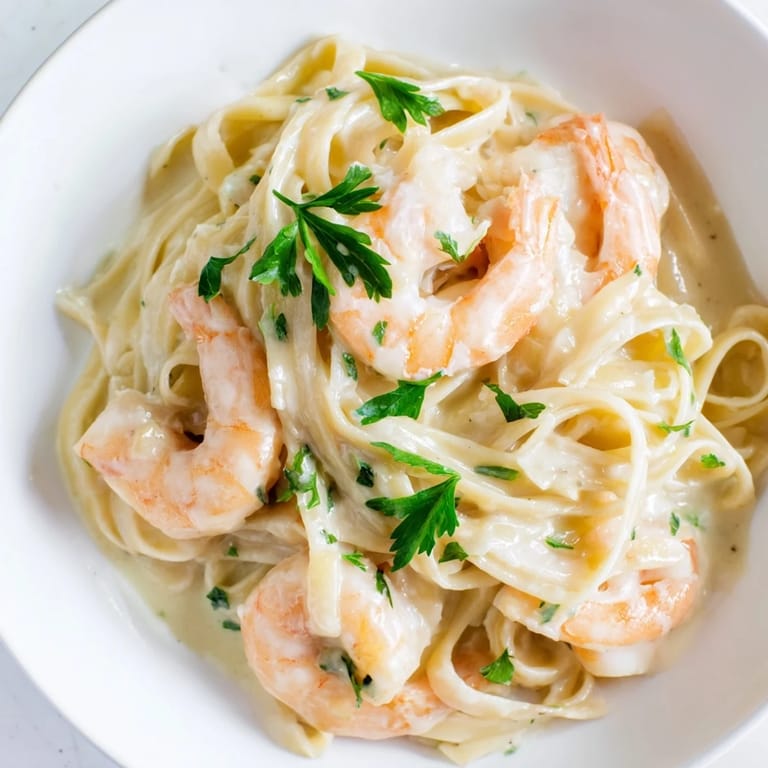
 My neighbor knocked on my door one Tuesday holding a bag of shrimp she couldn't use before leaving town. I had linguine in the pantry, cream in the fridge, and exactly thirty minutes before my sister arrived for dinner. What came together that evening wasn't just a meal but proof that some of the best dishes happen when you stop overthinking. The garlic filled my kitchen with such warmth that my sister still asks for this pasta by name.
I've made this for birthdays, date nights, and evenings when I just needed something that felt like a hug on a plate. Once, I doubled the recipe for a small dinner party and watched everyone go quiet after the first bite. One friend looked up and said it reminded her of a trip to the Amalfi Coast. I'd never been, but I took it as the highest compliment.
Ingredients
- Large shrimp (450 g): Look for shrimp that smell like the ocean, not fishy or off, and make sure they're fully deveined so you don't have to deal with grit mid-bite.
- Linguine (340 g): The flat shape holds onto cream better than round pasta, but honestly fettuccine or spaghetti work beautifully if that's what you have.
- Unsalted butter (2 tbsp): Gives you control over saltiness and adds a velvety richness that olive oil alone can't deliver.
- Heavy cream (1 cup): This is what makes the sauce luxurious and restaurant-worthy, though half-and-half works if you want something a little lighter.
- Parmesan cheese (1/2 cup, grated): Freshly grated melts into the sauce without clumping, and the nutty flavor ties everything together.
- Garlic (4 cloves, minced): The star of the sauce, so don't rush it or let it brown, burnt garlic turns bitter fast.
- Olive oil (1 tbsp): Helps the butter handle higher heat without burning when you sear the shrimp.
- Crushed red pepper flakes (1/2 tsp, optional): Just a pinch adds a gentle warmth that makes the whole dish feel more alive.
- Salt and black pepper: Season every layer as you go, shrimp, sauce, and final toss, for flavor that builds instead of sitting flat.
- Fresh parsley (2 tbsp, chopped): Adds a pop of color and a hint of freshness that balances all that cream.
- Lemon wedges: A squeeze right before serving brightens everything and cuts through the richness.
Tired of Takeout? 🥡
Get 10 meals you can make faster than delivery arrives. Seriously.
One email. No spam. Unsubscribe anytime.
Instructions
- Boil the Pasta:
- Bring a large pot of well-salted water to a rolling boil and cook the linguine until it still has a little bite. Before draining, scoop out half a cup of that starchy pasta water, it's liquid gold for loosening the sauce later.
- Prep the Shrimp:
- While the pasta bubbles away, pat your shrimp completely dry with paper towels and season both sides with salt and pepper. Dry shrimp sear instead of steam, and that makes all the difference.
- Sear the Shrimp:
- Heat olive oil and one tablespoon of butter in a large skillet over medium-high until shimmering, then lay the shrimp in a single layer without crowding. Cook for one to two minutes per side until they turn pink and just opaque, then pull them out and set aside so they don't overcook.
- Sauté the Garlic:
- Toss in the remaining butter and let it melt, then add the minced garlic and red pepper flakes if you're using them. Stir constantly for about a minute until the garlic smells incredible but hasn't started to brown.
- Build the Cream Sauce:
- Pour in the heavy cream and bring it to a gentle simmer, letting it bubble and thicken slightly for two to three minutes. You'll see it start to coat the back of a spoon when it's ready.
- Melt in the Cheese:
- Stir in the grated Parmesan a little at a time, whisking until it melts into a smooth, glossy sauce. If it looks too thick, don't worry, the pasta water will fix that in a moment.
- Toss the Pasta:
- Add the drained linguine directly to the skillet and toss everything together with tongs until every strand is coated. Drizzle in some of that reserved pasta water if the sauce feels tight, it'll loosen and cling beautifully.
- Return the Shrimp:
- Nestle the cooked shrimp back into the pasta and toss gently just until they're warmed through. Overcooking shrimp at this stage makes them rubbery, so keep it quick.
- Finish and Serve:
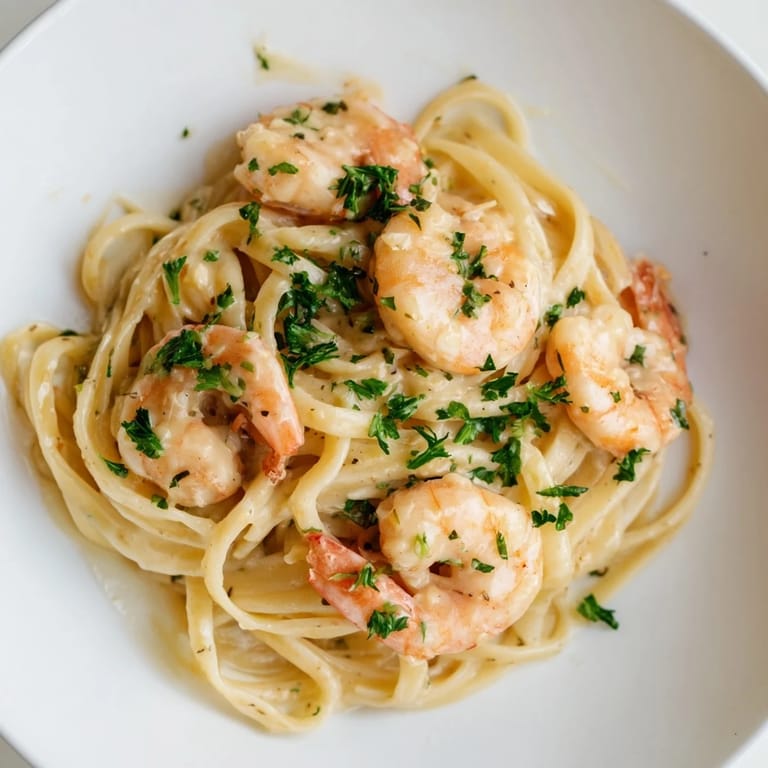
- Taste and adjust the salt and pepper, then sprinkle with chopped parsley and serve immediately with lemon wedges on the side. A squeeze of lemon right at the table makes every bite sing.
 Pin This
 There's a moment when you twirl that first forkful and realize this is exactly what comfort should taste like. I've served this to my dad, who doesn't usually get excited about pasta, and watched him go back for seconds without a word. It's become my go-to when I want to feel capable in the kitchen and like I've actually made something worth savoring.
How to Pick the Best Shrimp
Fresh shrimp should smell clean and briny, never fishy or like ammonia. If you're buying frozen, look for shrimp that are individually quick-frozen without a thick layer of ice crystals, which means they've been stored properly. I usually go for large or jumbo because they're easier to cook without overdoing them. Deveined and peeled saves you time, but leaving the tails on makes for a prettier presentation if you're feeling fancy.
Making It Your Own
If you want to go a little deeper with flavor, deglaze the pan with a splash of dry white wine after the garlic softens and let it simmer down before adding the cream. I've also stirred in a handful of baby spinach right at the end for color and a bit of freshness. Sun-dried tomatoes, artichoke hearts, or even a pinch of lemon zest folded into the sauce can shift the whole vibe without changing the bones of the recipe. Play around and see what makes it feel like yours.
Storing and Reheating
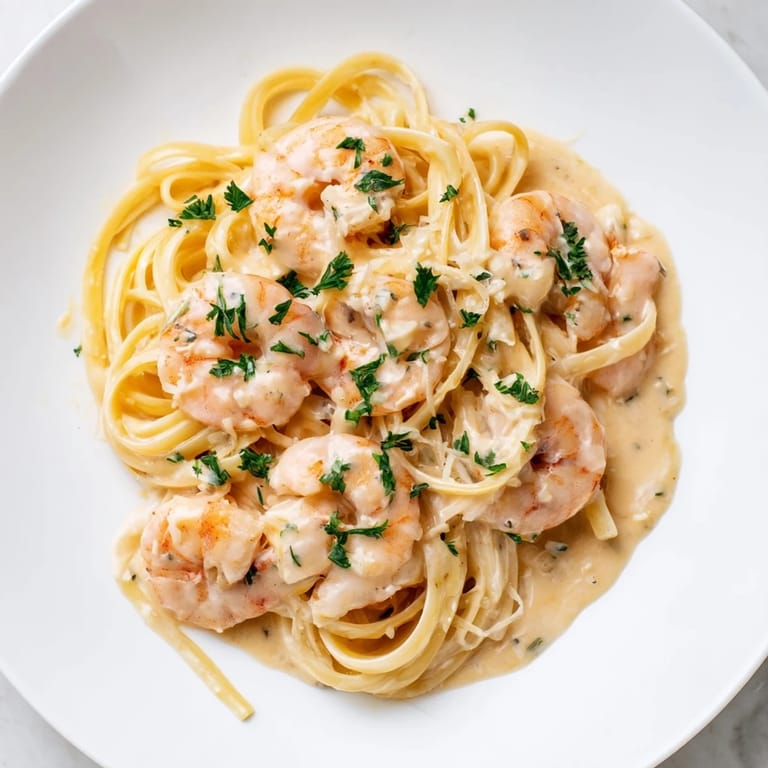
This pasta is best eaten fresh, but leftovers will keep in an airtight container in the fridge for up to two days. When you reheat it, add a splash of cream, milk, or even pasta water to bring the sauce back to life since it thickens as it sits. Warm it gently in a skillet over low heat, stirring often, because microwaving can make the shrimp rubbery. If you know you'll have leftovers, slightly undercook the shrimp the first time so they don't turn tough when reheated.
- Store pasta and shrimp together so the flavors keep mingling in the fridge.
- Reheat on the stovetop with a little extra liquid to loosen the sauce.
- Add a fresh squeeze of lemon and a sprinkle of parsley right before serving leftovers to wake everything up again.
 Pin This
 This dish has a way of making an ordinary evening feel special without any fuss or pretense. I hope it brings you as much joy as it's brought my kitchen, and that you taste why sometimes the simplest recipes end up meaning the most.
Recipe Questions & Answers
- → How do I prevent the shrimp from becoming tough and rubbery?
Cook shrimp for only 1–2 minutes per side over medium-high heat until they turn pink and opaque. Overcooked shrimp become tough. Remove them from the skillet once done and set aside, then return them briefly at the end just to heat through.
- → Can I make this dish ahead of time?
This dish is best served immediately after preparation for the best texture and flavor. However, you can prepare components ahead: cook pasta, cook shrimp, and make the cream sauce separately. Combine and heat gently just before serving.
- → What's the best way to achieve a silky, smooth sauce?
Heat the cream gently to a simmer rather than a boil, which can cause it to break. Add Parmesan gradually while stirring constantly. If the sauce seems too thick, use reserved pasta water to thin it gradually—starch in the pasta water helps maintain silkiness.
- → Can I use frozen shrimp for this dish?
Yes, frozen shrimp work well. Thaw them completely and pat dry thoroughly before cooking. Moisture on the shrimp surface prevents proper browning and can make them stick to the skillet.
- → What wine pairs well with this dish?
Crisp white wines like Pinot Grigio or Sauvignon Blanc complement the creamy garlic flavors beautifully. Their acidity cuts through the richness of the sauce, creating a balanced pairing.
- → How can I lighten this dish without sacrificing flavor?
Substitute half-and-half or whole milk for heavy cream to reduce fat content. You can also use olive oil instead of some butter, or add a splash of dry white wine for acidity and depth without extra cream.