 Pin This
 There was a Tuesday when my fridge felt like it was staging a quiet rebellion—too many vegetables, not enough time, and a growing sense that something had to give. I grabbed that head of green cabbage almost by accident, thinking it might be the key to using everything up before it wilted away. What started as a practical solution turned into something I found myself craving on cold mornings, on stressful afternoons, and on nights when my body just needed something gentle and real.
My neighbor stopped by one evening while this was simmering, and the aroma pulled her right to the stove before I could even say hello. She tasted a spoonful and asked for the recipe on the spot, then came back three days later to tell me she'd made it twice already. That's when I realized this wasn't just food—it was the kind of soup that makes people feel seen and cared for.
Ingredients
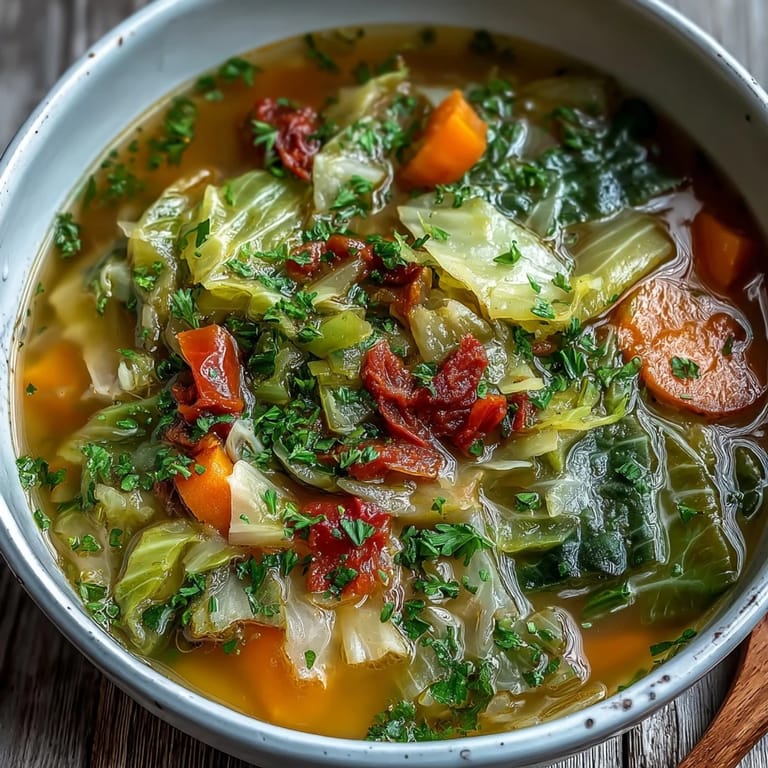
- 1 small green cabbage (about 700 g), cored and chopped: Cabbage is your foundation here, and it's tougher than it looks—it won't fall apart in the broth like delicate greens would.
- 2 medium carrots, peeled and sliced: They add natural sweetness that balances the earthiness, and they soften into silky pieces without turning to mush.
- 2 celery stalks, sliced: This is the quiet backbone that rounds out the flavor profile in ways you might not notice but definitely would miss.
- 1 medium onion, diced: Caramelize it just enough in that first sauté and it becomes the flavor anchor for everything that follows.
- 3 cloves garlic, minced: Add it after the softer vegetables start softening so it doesn't burn and turn bitter—timing matters here.
- 1 red bell pepper, diced: Color matters in a bowl, and this brings both visual brightness and a subtle sweetness that makes the soup feel complete.
- 400 g (1 can) diced tomatoes: Canned tomatoes are actually your friend here because they're picked at peak ripeness and won't break your budget.
- 1 small zucchini, diced (optional): Include it if your vegetables need using, but the soup is perfect without it—this is flexibility built in.
- 1.5 liters vegetable broth (low sodium preferred): Low sodium gives you control over the final seasoning and lets the vegetables' natural flavors shine through.
- 1 tablespoon olive oil: Just enough to build flavor without making this heavy or guilt-inducing.
- 1 teaspoon dried thyme: Herbaceous and subtle, it makes you feel like you're eating something thoughtfully made.
- 1 teaspoon dried oregano: This deepens the flavor without overwhelming—trust it.
- 1/2 teaspoon ground black pepper and 1/2 teaspoon salt: Start conservative; you can always add more at the end when you can actually taste it.
- 1/4 teaspoon chili flakes (optional): A whisper of heat that wakes everything up without making this a spicy soup.
- Juice of 1/2 lemon (optional): Save this for the very end—it's the secret weapon that makes people say the soup tastes fresher than it should.
- Fresh parsley, chopped, for garnish: Not just decoration; it adds a bright, living quality that makes the bowl feel generous.
Tired of Takeout? 🥡
Get 10 meals you can make faster than delivery arrives. Seriously.
One email. No spam. Unsubscribe anytime.
Instructions
- Heat and soften the foundation:
- Warm your olive oil over medium heat and add the onion, carrots, and celery together—they're the building blocks. Listen for them to start releasing their moisture; you'll know they're right when they're softened but still have some resistance when you press them with your spoon.
- Wake up the garlic:
- After about 5 minutes, add your minced garlic and stir constantly for just a minute so it perfumes the oil without browning into bitterness. The smell will tell you exactly when to move to the next step.
- Add the vegetables and color:
- Throw in your bell pepper, zucchini if using, and cabbage, then let them soften for 3 to 4 minutes while stirring now and then. You're not cooking them through yet—you're just starting their journey.
- Build the broth:
- Pour in your tomatoes and their juice, then add the vegetable broth, thyme, oregano, pepper, salt, and chili flakes if you want that subtle warmth. Stir everything together so the seasonings are distributed evenly and nothing's sitting lonely at the bottom.
- Simmer to tenderness:
- Bring everything to a boil so you know it's actively cooking, then turn the heat down low, cover it, and let it bubble gently for 25 to 30 minutes. The vegetables will soften completely while the flavors meld into something greater than their parts.
- Taste and adjust:
- After simmering, taste the soup and add salt or pepper to your preference—this is when seasoning makes the real difference. If you want brightness, squeeze in that lemon juice now.
- Serve with intention:
- Ladle the soup into bowls and finish each one with a pinch of fresh parsley so it feels like something you made with care.
 Pin This
 One winter morning, this soup sat on my desk while I was working through something difficult, and I kept going back for just one more spoonful between emails. By the end of the day, the bowl was empty and I felt like myself again. That's when I understood that sometimes the most powerful thing we can cook is permission to slow down and take care of ourselves.
Making It Your Own
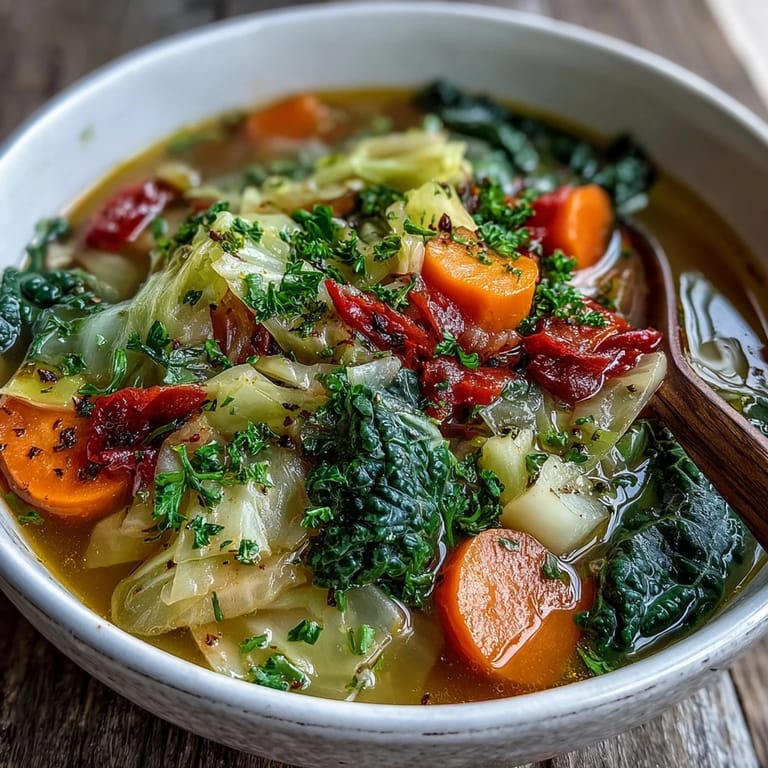
This soup is a canvas, not a rigid formula, and the most interesting versions come from working with what you have. If your vegetable drawer is calling out for a different combination, listen to it—swap the zucchini for green beans, add spinach or kale in the final minutes, or include white beans and chickpeas for protein. The core technique stays the same, but your version of this soup will taste like your kitchen and your choices.
Storage and Keeping
This soup actually tastes better on day two or three because the flavors have time to get to know each other, so make a big batch without guilt. Store it in the fridge for up to 4 days, or freeze it in portions for whenever you need it most—which will probably be sooner than you expect.
The Perfect Serving
Serve this hot with crusty bread or a slice of whole grain, and let people customize their own bowls with extra parsley, a drizzle of good olive oil, or a scatter of croutons. This is soup that brings people together because it feels nourishing without making anyone feel like they're being told what's good for them.
- A squeeze of fresh lemon at the table lets everyone brighten their own bowl to their taste.
- This pairs beautifully with a simple green salad if you want to make it a full meal.
- Leftover soup freezes well for up to two months, so batch cooking this is always a smart move.
 Pin This
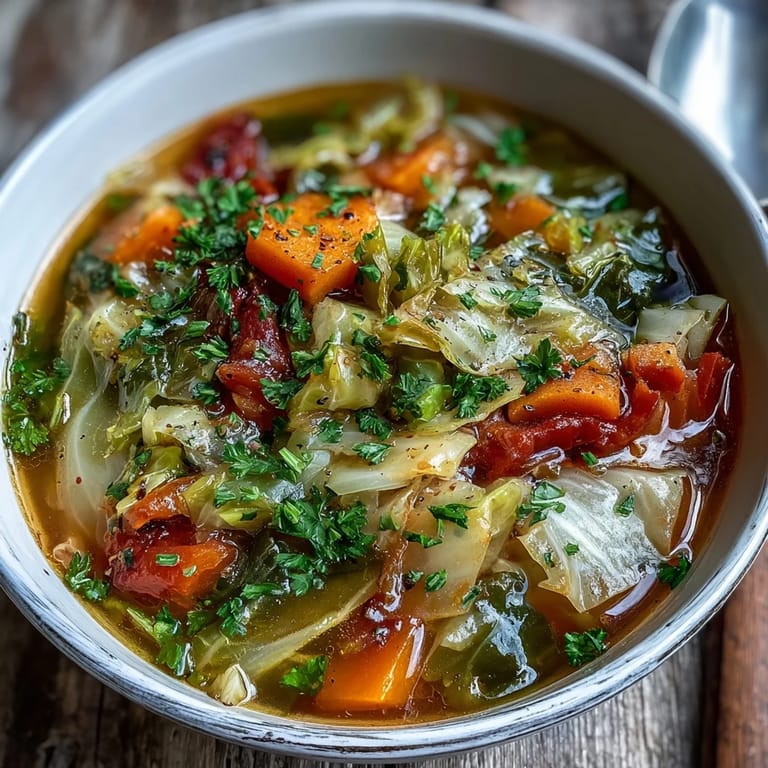
 This cabbage soup has become my answer to so many different questions—what's quick to make, what's gentle on the wallet, what feels good to eat, and what brings people back for more. Once you make it once, you'll know why.
Recipe Questions & Answers
- → Can I add protein to this cabbage soup?
Yes, you can easily add drained white beans, chickpeas, or cubed tofu during the last 10 minutes of cooking for extra protein and heartiness.
- → How do I store leftover cabbage soup?
Store in an airtight container in the refrigerator for up to 4 days. The flavors develop and improve overnight, making it perfect for meal prep.
- → Can I freeze this soup?
Absolutely. Let it cool completely, then freeze in portion-sized containers for up to 3 months. Thaw overnight in the fridge and reheat on the stovetop.
- → What other vegetables can I add?
Try adding spinach, kale, green beans, or diced potatoes. Leafy greens should be added in the last 5 minutes, while heartier vegetables like potatoes need the full cooking time.
- → How can I make this soup more filling?
Serve with a slice of whole-grain bread, add cooked quinoa or rice, or include white beans for added fiber and protein to make it a complete meal.
- → Can I use a different type of cabbage?
Yes, red cabbage, savoy cabbage, or Napa cabbage all work well. Red cabbage may slightly color the broth purple but tastes equally delicious.